Emotional Baggage – Better Left Behind
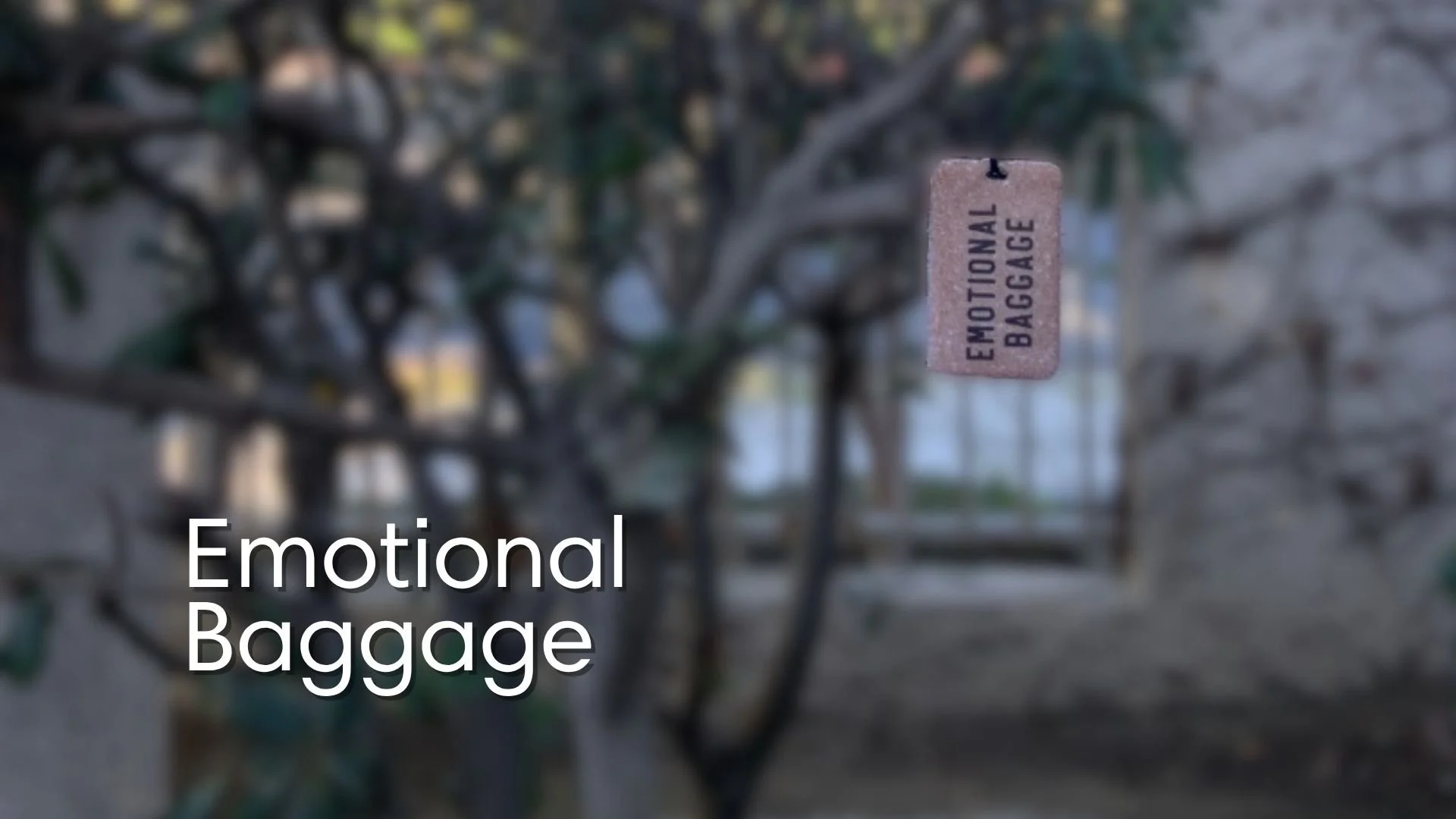
I was taking out the trash one day and noticed a luggage tag hanging next to the dumpster. It read “emotional baggage”. It looked like someone decided to leave their baggage behind. Afterall, it was a brand-new year and a great time for making new decisions. Bold determinations bring brand-new opportunities!
My brief encounter with the luggage tag presented me with some choices of my own. At first, I wanted to take the tag and keep it as a souvenir for myself. I then realized that perhaps it was better left there, so others could benefit from the message that hung before them! What if the person who left it there needed to come back for it later? Isn’t that something many of us do - set down emotional baggage only to return, and pick it up again when we’re not quite ready to let it go?
Instead, I grabbed my phone to take a photo. I could still share the message, not become the thief who stole someone’s tag and besides, I felt a blog coming on….
I wanted to encourage others to think about these questions:
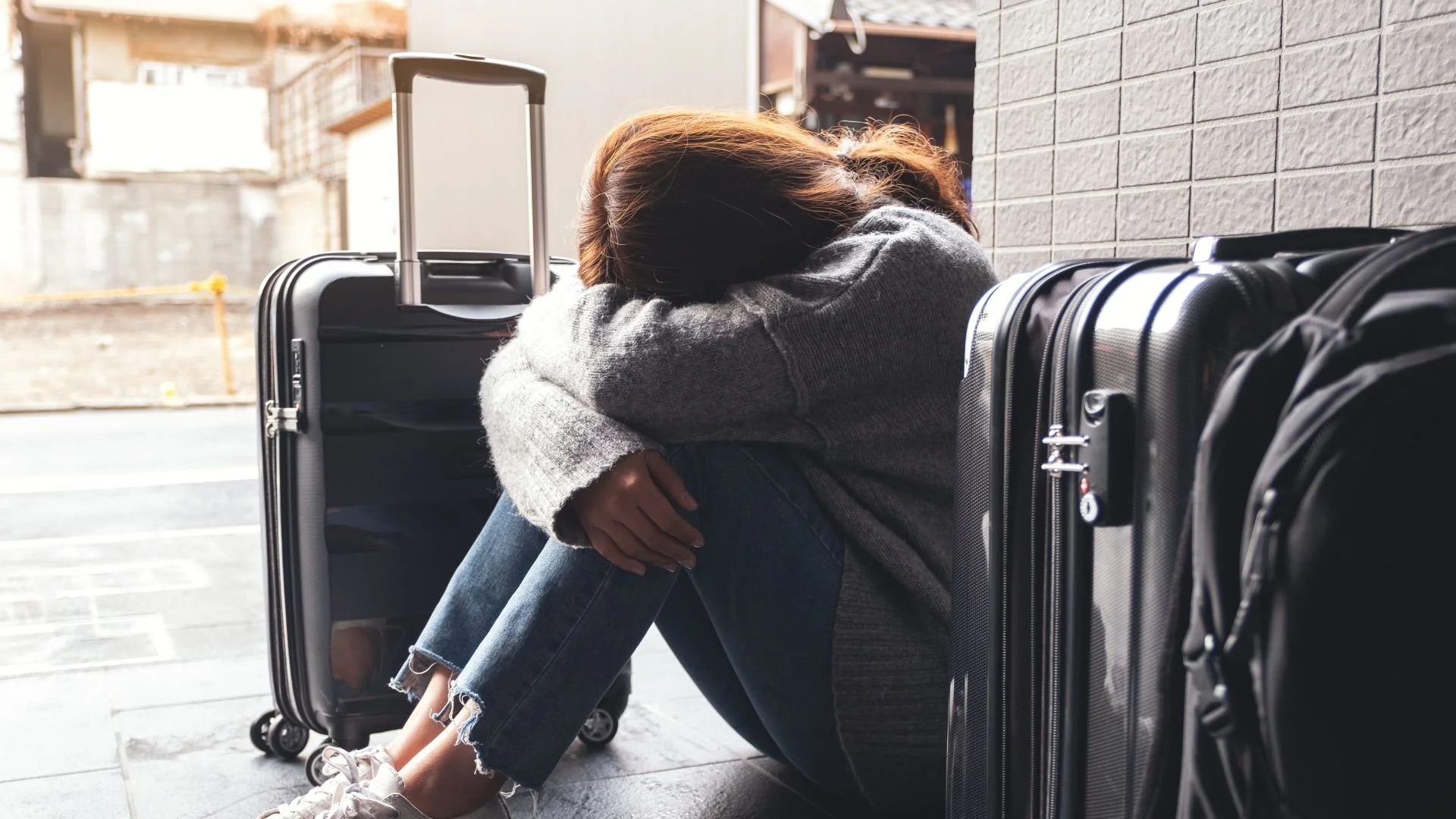
What does emotional baggage mean to you?
For some, it feels like heaviness - like carrying extra weight around the neck and shoulders. It slows us down and inhibits us from being our most authentic loving selves.
What does emotional baggage do for us?
Sometimes, holding onto our stories can feel like a way to be seen or understood. We may compare experiences, not because we want to compete, but because we’re longing for validation. Pain wants acknowledgement. It wants to be witnessed.
What does emotional baggage take from us?
When we remain anchored solely in the past, it can limit our ability to be present. It can hinder us from feeling connected and empowered in the here and now. If it feels like our best days are behind us, perhaps that’s an invitation - not a demand - to imagine what new days could still be created.
Where does emotional baggage come from?
When people feel unseen, wounded or unappreciated, those emotions can fester and settle in the soul. Over time, unresolved emotions can grow heavier, not because we failed, but because they were never given the care and attention they deserved.

How do we begin to loosen our grip on emotional baggage?
Healing can start when we stop repressing feelings the moment they appear. We can quietly acknowledge emotions. We can choose to observe them without judgement or the pressure to fix anything. Emotions are simply attached to thoughts that once helped us survive. Observing them with compassion can create space for choice, rather than allowing them to quietly steer our lives.
Negative emotions, like fear, hurt, or offense, can take us down paths we never intended to travel, sometimes for much longer than we expected. Acknowledging their presence doesn’t mean we must carry them forward forever.
Pain doesn’t disappear through resistance. Balance often comes from allowing emotions to be present without committing to hauling them into every future moment. We can unpack what we’ve been carrying, look at it with honesty, and decide - at our own pace - what no longer needs to come with us.
Many of us have held tightly to old wounds, broken hearts, misunderstandings, or unmet promises. Sometimes it feels like holding on is a form of protection or justice. Yet more often than not, the weight falls back onto us.
Baggage doesn’t define us. Luggage was designed to travel lightly. Healing does not require forgetting or dismissing the past. Healing involves choosing when we’re ready, what we can carry forward and what we can leave behind.